Tag After School Apk Information
| App Name | Tag After School |
| Version | 10.2b |
| File Size | 93 MB |
| Package ID | msh.com |
| Category | Arcade |
| Last Updated | March 11, 2026 |
| App Name | Tag After School |
| Version | 10.2b |
| File Size | 93 MB |
| Package ID | msh.com |
| Category | Arcade |
| Last Updated | March 11, 2026 |
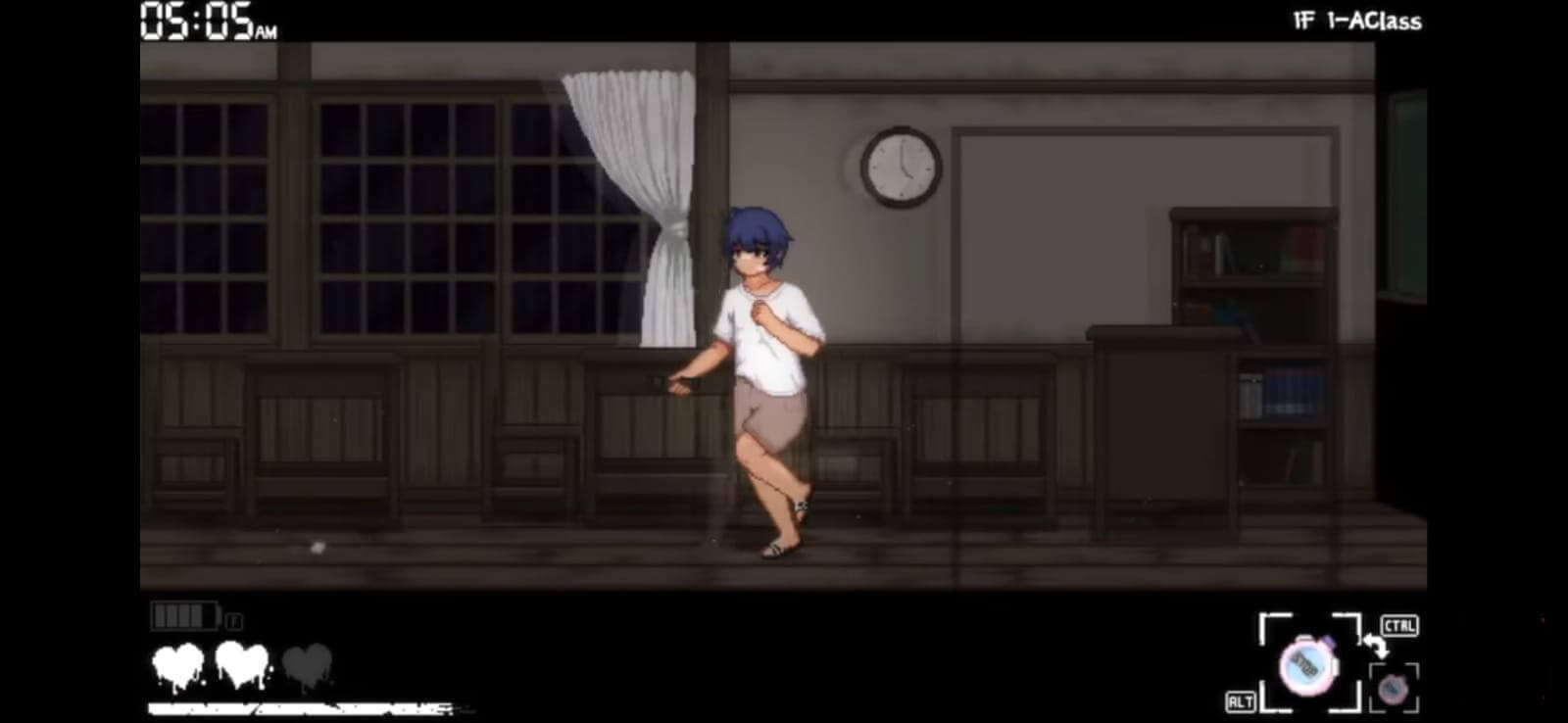
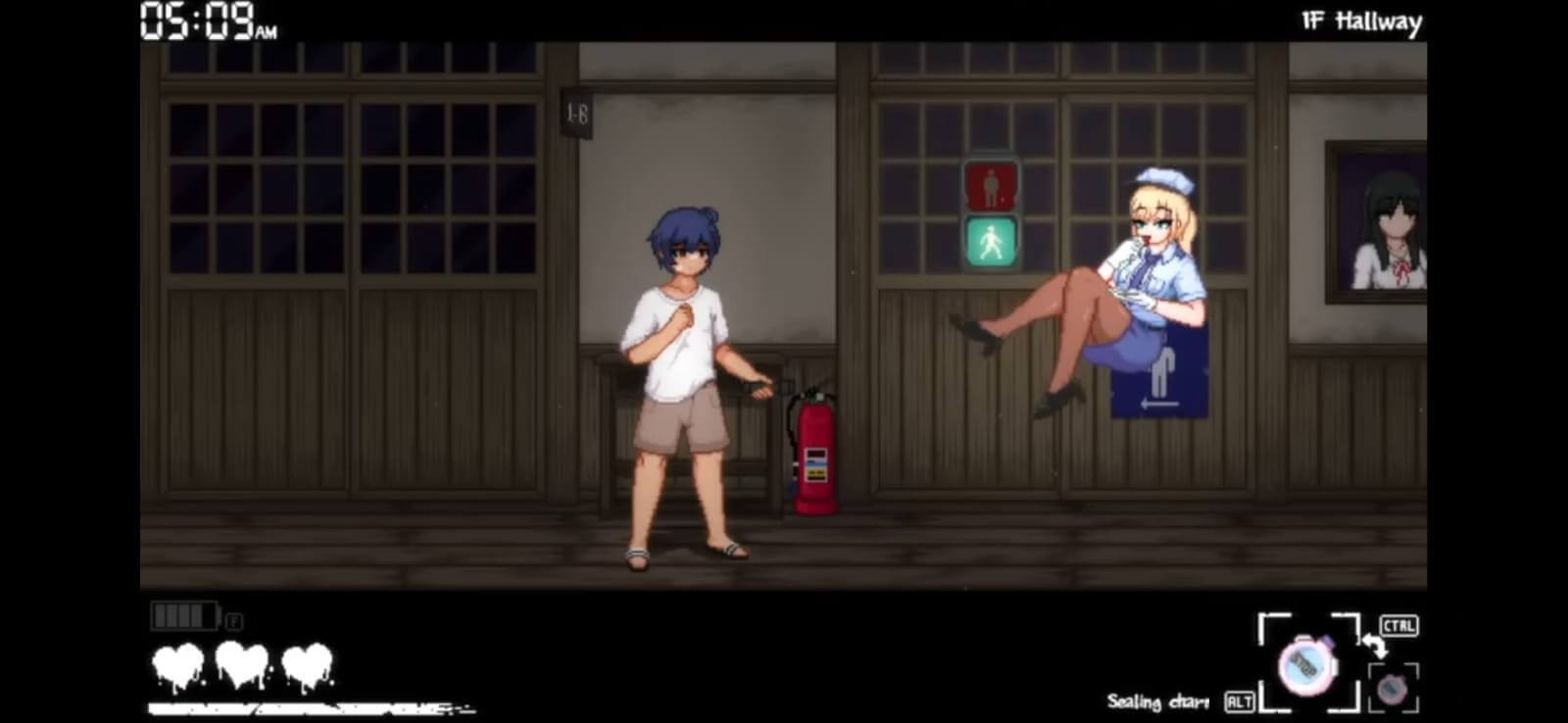
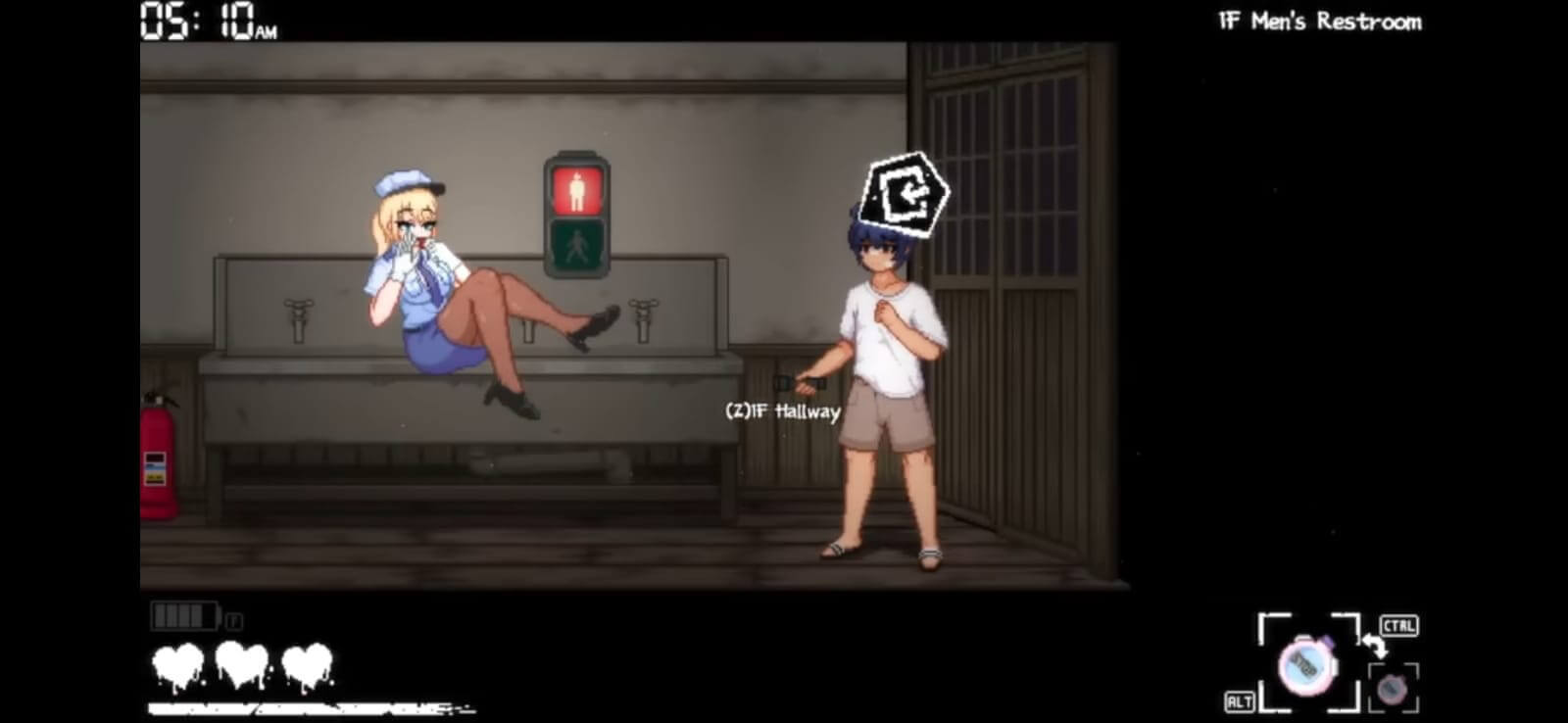
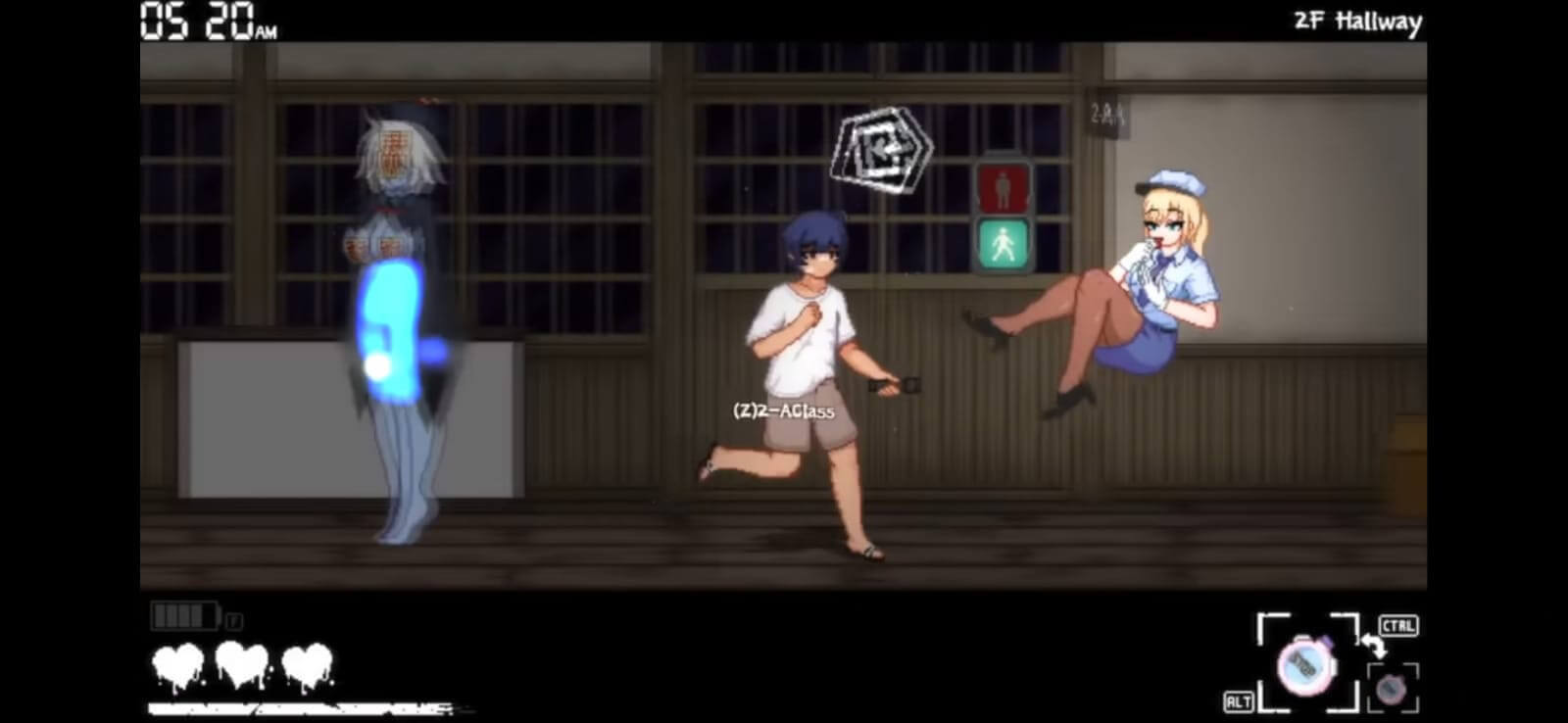


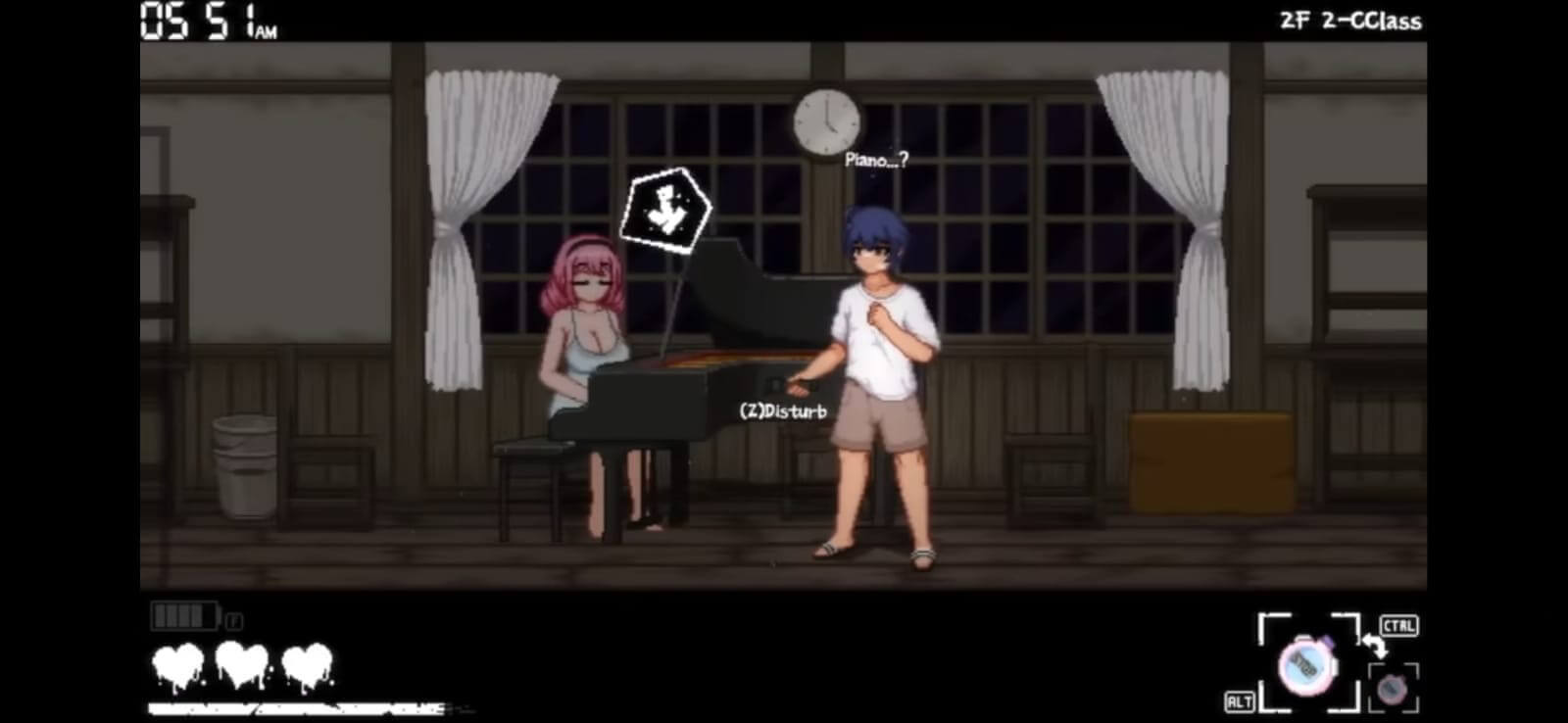
Step into Shota-Kun’s shoes, a shy student on a dare to explore a creepy school after dark. Strange encounters and mysteries await at every turn.
Your decisions shape the story. Choose wisely to unlock different paths and endings.
Move through the school carefully. Dodge ghosts and other dangers while managing your limited flashlight battery.
Stunning HD graphics bring the eerie atmosphere to life, making every moment feel real.
Simple controls ensure anyone can pick it up and dive in without hassle.
The story shifts with your choices. It offers multiple endings to discover and making each playthrough unique.
The origins of the Nepali KT Ko Thulo Puti are shrouded in mystery, but it is believed to have originated in the Kathmandu Valley, the cultural hub of Nepal. The doll is thought to have been created in the early 19th century, during the reign of the Rana dynasty, when Nepal was a major center for craftsmanship and artistry. Skilled artisans, known as "shilpakar," were commissioned to create these wooden dolls, which were initially intended as toys for the children of the royal family and the nobility.
KT Ko Thulo Puti's story has also been interpreted as a metaphor for the struggle against oppression and injustice. Her bravery in the face of adversity serves as a beacon of hope for those facing challenges in their own lives, demonstrating that courage and determination can lead to triumph over seemingly insurmountable obstacles.
"KT Ko Thulo Puti is more than just a piece of cloth; it's a part of our history, our culture, and our identity. When I wear it, I feel connected to my ancestors and the rich heritage of Nepal. It's a garment that commands respect, dignity, and elegance." – Rajesh Shrestha, Nepali Artist
The KT Ko Thulo Puti is more than just a piece of clothing; it is a cultural icon that embodies the values, traditions, and history of Nepal. The garment is characterized by its distinctive design, which features a long, flowing shirt with a round neckline, paired with loose-fitting trousers. The outfit is typically made from cotton or silk and adorned with intricate embroidery, reflecting the country's rich textile heritage. nepali kt ko thulo puti
In the realm of Nepali folklore, there exist numerous tales of mystical creatures, legendary heroes, and enchanted lands. Among these, one fascinating narrative that has captured the imagination of many is that of "Nepali KT Ko Thulo Puti." This intriguing phrase, which translates to "The Big Daughter of KT," has been a subject of curiosity and discussion in Nepali culture for generations.
In Nepal, the relationship between siblings is celebrated through various cultural events and traditions. For example, during the festival of "Rakshabandhan," sisters tie rakhis (sacred threads) on their brothers' wrists, symbolizing the bond between them. Similarly, older sisters are often honored and respected during family gatherings and special occasions.
As the eldest daughter, she has both responsibilities and privileges. Some of her key responsibilities include: The origins of the Nepali KT Ko Thulo
She was KT ko thulo puti, the large or significant girl from Kathmandu, not in physical stature but in her influence and the love she had for her country. Aanchal wore her heritage with pride, often draped in a traditional Dhaka topi and a beautiful handmade sari that told stories of her ancestors.
The Nepali KT Ko Thulo Puti is more than just a piece of clothing; it is a cultural icon that embodies the country's rich history, traditions, and values. With its timeless appeal and enduring popularity, the garment continues to play an important role in Nepali cultural identity. As Nepal continues to evolve and modernize, the KT Ko Thulo Puti remains a powerful symbol of national pride and cultural heritage, inspiring future generations to appreciate and celebrate their cultural roots.
In Nepali culture, the KT Ko Thulo Puti is often associated with dignity, respect, and tradition. The garment is worn on formal occasions such as weddings, festivals, and official events, where it is seen as a symbol of cultural pride and national identity. The KT Ko Thulo Puti is also an important part of Nepali folklore, with stories and songs often referencing the garment as a symbol of love, loyalty, and patriotism. KT Ko Thulo Puti's story has also been
Puti loved to play pranks on her friends and family. One day, she decided to hide all the village's favorite snacks and then 'discovered' them in ridiculous places. The villagers were amused by her antics and affectionately called her "Thulo Puti" (Big Puti).
The story of Nepali KT Ko Thulo Puti is a testament to the power of mythology and folklore in shaping our understanding of the world and our place within it. As we reflect on this fascinating legend, we are reminded of the importance of respecting and honoring our cultural heritage, embracing the wisdom and traditions of the past, and striving for a more compassionate and harmonious existence.
Nepali KT Ko Thulo Puti is a timeless and captivating garment that has been an integral part of Nepali culture for centuries. Its rich history, cultural significance, and beauty have made it a beloved and revered attire, both within Nepal and beyond. As a symbol of Nepali identity and craftsmanship, KT Ko Thulo Puti continues to inspire and captivate people around the world. Whether worn on special occasions or as a statement piece, this majestic garment is sure to remain an iconic representation of Nepal's rich cultural heritage.